
CRM Configuration & Automation
Optimize your CRM to support your processes, reduce manual work, and ensure consistent data and activity tracking.
CRM Configuration & Automation structures and optimizes your CRM system so it supports your processes, reduces manual work, and ensures consistent data and activity tracking. It aligns your CRM with how your team actually works by configuring fields, workflows, and automations that guide execution. This creates a system that is usable, reliable, and built to scale with your business.
Why This Matters
A CRM that isn’t aligned with your processes quickly becomes a source of friction. Teams may avoid using it, enter inconsistent data, or rely on manual workarounds to get things done. This leads to unreliable reporting, missed activities, and inconsistent execution. When properly configured, a CRM becomes a central system that supports how work gets done instead of slowing it down. It reduces repetitive tasks, improves visibility, and ensures data is captured consistently. Over time, this makes processes easier to follow and performance easier to manage.
Signs You Could Benefit From This
- Your CRM doesn’t reflect how your team actually works
- Data is inconsistent, incomplete, or unreliable
- Teams rely on manual updates or external tracking methods
- Key steps in your process are not enforced within the system
- Reporting is difficult to trust or requires manual cleanup
- Automations are either missing or overly complex
- CRM usage varies widely across team members

How It Helps
CRM Configuration & Automation brings structure to how your system supports day-to-day work. It standardizes data capture, automates repetitive actions, and ensures processes are consistently followed. This reduces manual effort and minimizes errors. Teams can move faster with clearer guidance built into the system. With better data and visibility, decision-making becomes more reliable and less dependent on manual tracking.
Our Approach
We start by understanding your current processes and how your CRM is being used today. From there, we refine existing configurations or build new ones that better support your workflows. We focus on practical automation that simplifies work rather than adding complexity. The result is a CRM that is aligned with your processes, easy for your team to use, and capable of supporting consistent execution over time.

Typical Deliverables
- CRM field structure and data model configuration
- Workflow automation for key process steps
- Lead, contact, and opportunity lifecycle configuration
- Data validation rules and required field setup
- Task and activity automation
- Reporting and dashboard configuration
- Documentation for system usage and maintenance
Frequently Asked Questions
CRM configuration and automation is the process of setting up your CRM system to match your business processes, including structuring data, defining workflows, and automating repetitive tasks.
CRM automation handles routine actions such as task creation, lead assignment, and status updates, reducing the need for manual input and follow-up.
Not usually. In many cases, your existing CRM can be optimized to better support your processes without needing to change platforms.
Common areas for automation include lead routing, follow-up task creation, stage progression, and data validation to ensure consistency.
The timeline depends on the complexity of your processes, but improvements are typically implemented in phases so your team can start seeing value quickly.
The goal is the opposite. Automation should simplify execution by reducing manual steps and guiding users through the process.
By standardizing fields, enforcing required inputs, and reducing manual entry errors, CRM configuration ensures data is captured consistently and accurately.
Yes, a well-structured CRM with thoughtful automation is designed to support growth without requiring constant rework.
Related Services
Adoption & Expansion Materials
Create materials that support consistent usage and help teams fully adopt new systems and processes.
Data & Field Governance Implementation
Bring structure and consistency to how data is captured so your processes and reporting can function without added complexity or manual effort.
End-to-End Process Mapping
Map how work actually gets done across teams to identify gaps, inconsistencies, and opportunities for improvement.
Handoff & SLA Design
Create structured handoffs and expectations between teams so work transitions smoothly without delays or confusion.

Lifecycle & Stage Definition
Define clear stages across your customer or operational lifecycle so work progresses consistently and nothing falls through the cracks.
Marketing Dashboard Development
Build dashboards that help marketing teams track performance and make informed decisions.
Marketing System Configuration & Automation
Structure and automate your marketing tools so campaigns and workflows scale without added complexity.
Metrics & Measurement Frameworks
Define what to measure and how to measure it so performance is clear, consistent, and actionable.

Process Documentation
Document workflows and systems so processes are clear, consistent, and easy to follow.

Sales & Marketing Handoff Implementation
Bring structure to how leads move from marketing to sales so momentum is maintained and follow-up is consistent.

Sales Dashboard Development
Create dashboards that give sales teams clear visibility into performance, pipeline, and priorities.
Training & Enablement
Equip teams with the knowledge and resources they need to confidently execute new processes and systems.
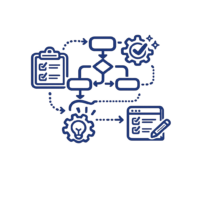
Workflow Design & Standardization
Turn inconsistent or ad hoc work into clear, repeatable workflows that improve efficiency and reduce friction.